
The hostas have fully recovered, three years after we fenced out the deer, who thought this garden was their personal candy store. Come dormant season, we'll do some transplanting to spread them out a bit. The astilbe plants in the lower terrace are recovering, too. They all love the shade under the oaks.
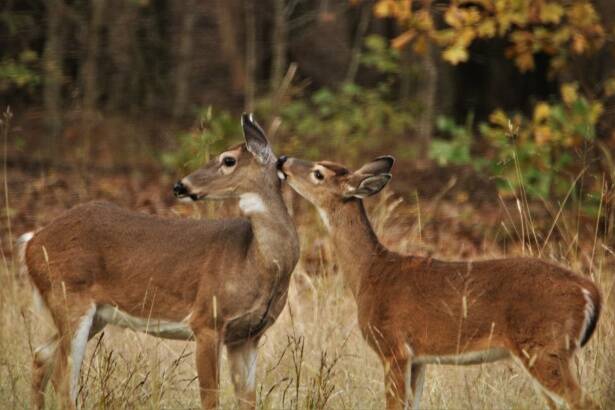
At first, the deer were pretty upset the arrangement, and they used every trick in the book to break into Hosta Haven, which also includes our little vegetable garden. It took us a while to learn how to keep the area secure, but the animals appear to finally have accepted the deal. In return for inconveniencing the critters, we created a safe spot for them to hang out and raise their families, away from the road and the neighbors. We’ve watched fawns born just outside our windows, and often we’ll see a doe lounging adjacent to our fenced dog yard, sometimes even touching noses with a dog. The deer seem to enjoy the potato peelings and pea pods we toss into the woods behind the house.
As I regard our garden fence with satisfaction, my mind wanders to broader concepts of fences and neighbors.
Years ago, when we lived in ranch country, well-maintained fences almost always ensured good relationships with neighbors. On occasions when cattle strayed, we helped locate the break in the wire, and often helped repair it. The activity fostered conversation and goodwill.
My suburban childhood memories feature Dad chatting across the wood-slat fence with the man next door, as they both took a break from mowing. I remember tossing errant baseballs over that fence, returning them to the neighbor kids.
Those types of fences serve the dual functions of creating order and facilitating communication, not walling others out completely. As I observe what appears to be a growing national obsession with isolation, I wonder how that contributes to increasing self-centeredness and animosity toward others who don’t look or think like us. It seems as if we are in a hurry to construct solid walls that prevent us from seeing, hearing, or even being aware of anyone or anything that might be different, as if “different” is a threat.
Fear of the unfamiliar is a trait of both humans and deer—but so is curiosity about the unknown. Those feelings have tugged us back-and-forth since the dawn of history. Sometimes fear wins; sometimes curiosity prevails—and when it does, big things can happen. Yes, curiosity may have killed a cat or two, as the saying goes, but the satisfaction that brings it back more often than not makes the risk worthwhile. The payoff has brought us more societal advancements than setbacks.
So, instead of walling ourselves in and cowering behind our self-imposed limitations, why not work toward establishing a system that actually confronts the troubles we’ve been hiding from? We can build solid fences that help us maintain order while encouraging communication and collaboration to solve the problems in a meaningful way.
First, we must recognize that these issues exist. Pretending they don’t doesn’t make them disappear. A friend once told me, “If you stick your head in the sand, remember what you leave exposed!”
It’s not impossible. Collectively, we can:
- Acknowledge the situation
- Don’t waste time laying blame or making excuses
- Investigate alternatives
- Choose the best option
- Get to work!
Above all, keep communicating and moving forward. We must use good fences to guide us.
Top photo by Barry Benson
Bottom photo released by Sheila Brown via PublicDomainPictures.net
#goodfencesmakegoodneighbors #worktogether #gettowork
Add comment
Comments